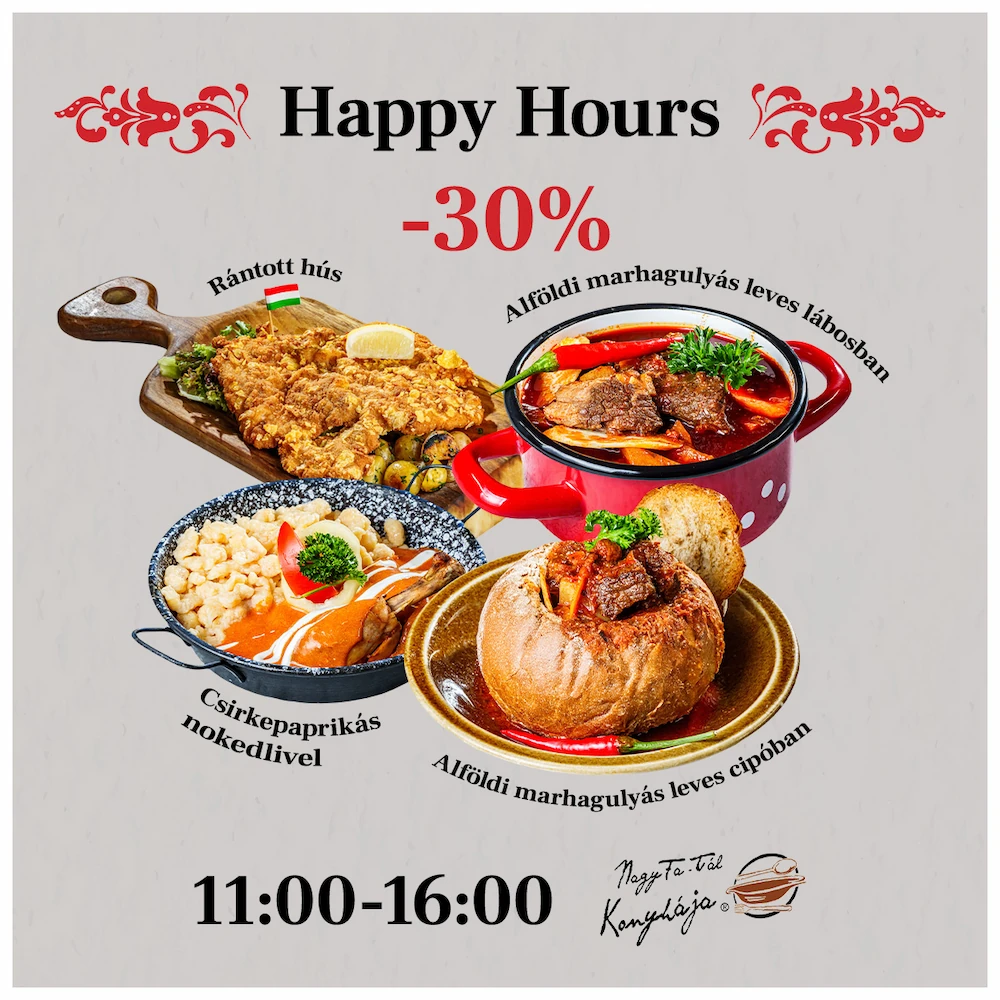
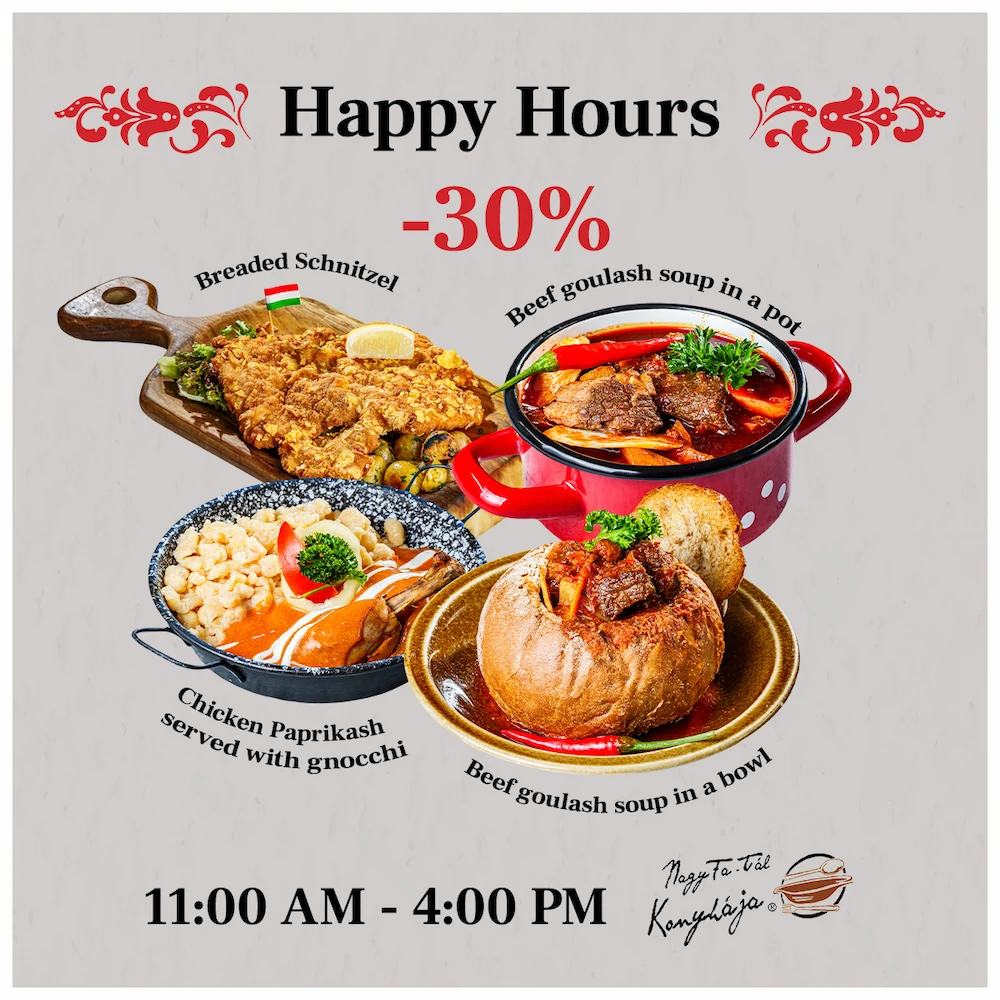
As the March winds slowly give way to the warming sunbeams of early April, downtown Budapest stirs to new life. In 2026, Easter falls in mid-April, so nature will already be welcoming the feast of rebirth in its full glory. Walking along the cobblestones of Kígyó street in Budapest, you can already smell spring in the air, but there is something else that warms the heart—and the appetite—this time of year: the promise of traditional Hungarian smoked ham and freshly baked braided bread around a cozy Easter lunch or dinner table.
The Roots of Rebirth: Where Does Easter Come From?
Easter is the greatest feast of the Christian world, commemorating the resurrection of Jesus Christ, but its roots reach deeper than one might first think. In the Hungarian soul, church rituals have intertwined with ancient, pagan spring-welcoming customs. This period is about purification, the victory of light, and the fertility of nature.
Our Easter symbols each carry a message:
- The Egg: he closed unity of life from which new life springs.
- The Lamb: A symbol of purity and sacrifice, representing the firstborn of the spring flocks since pre-biblical times.
- Water: The elemental power of washing away the old for spiritual and physical renewal.
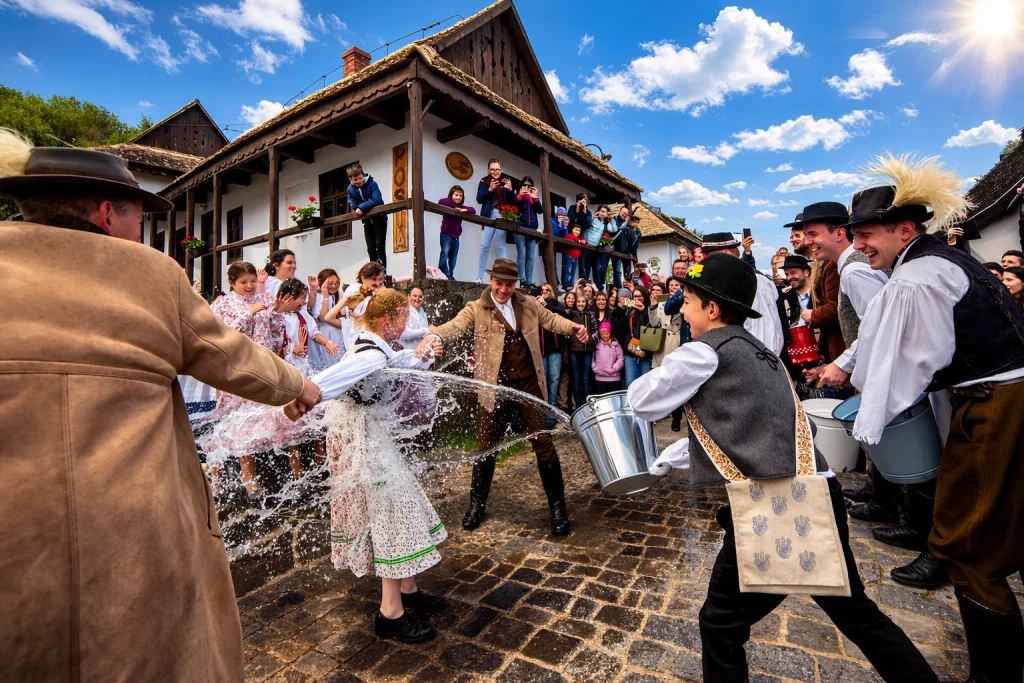
Easter sprinkling - When tradition moves into the city center
Although Budapest is a modern metropolis, the charming custom of Easter sprinkling (in hungarian: locsolkodás) lives on to this day—even if fine cologne has mostly replaced buckets of well water. According to tradition, girls must be sprinkled so they do not "wither"—this ritual serves to preserve beauty and health.
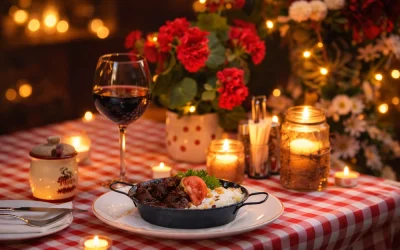
At Hungarian Hell's Kitchen in Budapest, we believe that tradition can find a home not only in rural heritage houses but also in the heart of Budapest. The red eggs received after sprinkling and the welcoming snacks play a central role for us, as there is no better way to experience the holiday than with a good conversation and a steaming plate of Hungarian food.
Hungarian Easter Gastronomy: From Fasting to Abundance
The Hungarian Easter table is a culinary map of the country’s history. The first "meat-taking" (the literal meaning of the Hungarian word for Easter, Húsvét) after the long Great Lent is a true ritual. But what makes a festive feast authentic?
- Smoked Ham: Not just a dish, but the fruit of patience. Slices of ham, traditionally slow-smoked and then boiled for hours until tender, form the foundation of the holiday.
- Horseradish and Eggs: The sharpness of the horseradish reminds us of life's difficulties, while the softness of the egg represents harmony.
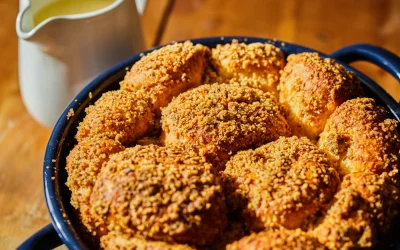
- Braided Brioche (kalács): The golden-brown, fluffy dough whose sweet aroma fills the kitchen, providing the perfect companion to the salty meats.
Celebrate Easter at the Hungarian Hell's Kitchen in Budapest – Where tradition Joins you at the table
If you are visiting downtown Budapest in April 2026 and want to avoid the exhaustion of kitchen prep without giving up "grandma-style" home cooking, we warmly welcome you to Kígyó street 4., in Budapest for an Easter lunch or dinner.
In the spirit of Easter seasonality, our restaurant offers dishes that pay homage to Hungarian gastronomy:
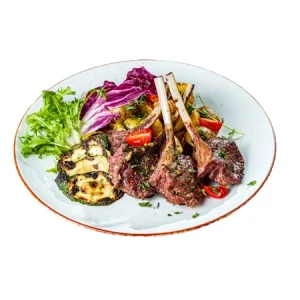
- Roast Lamb: With fresh spring herbs, exactly as written in the great book of Hungarian cuisine.
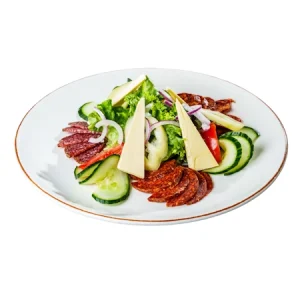
- Traditional Cold Platters: eaturing artisanal ham, homemade horseradish, and fresh vegetables.
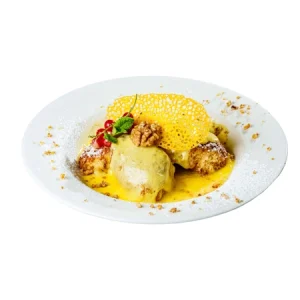
- Festive Desserts: Where cottage cheese and poppy seeds meet springtime lightness.
Why Choose Us for Your Festive Easter Lunch?
As one of Budapest’s most atmospheric Hungarian restaurants, for us, Easter is not just a date on the calendar, and an Easter lunch is not just a meal.
- Authentic environment: A rustic interior where wood and tradition dominate.
- Family-friendly atmosphere: Where both the youngest guests and grandparents feel at home.
- Unbeatable location: Just a stone's throw from Váci utca and Ferenciek tere, in the most beautiful part of the city center of Budapest.
Don’t leave your holiday preparations to the last minute! During the Easter period, our tables fill up quickly with lovers of local flavors and tourists visiting our city.